
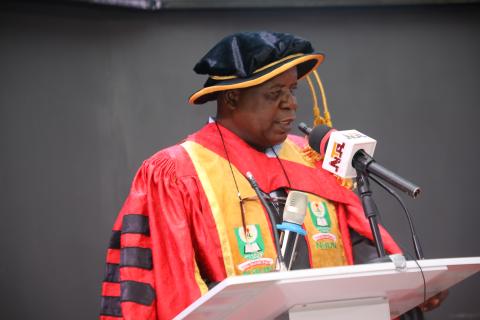
Professor Ali S. Yusufu Bagudu
A seasoned and well versed Public Administration scholar at the 水果派 of Nigeria (NOUN), Professor Ali S. Yusufu Bagudu, has proposed the adoption of a new framework of policy pillars to move the country forward.
Bagudu, a senior lecturer in the NOUN’s Department of Public Administration, Faculty of Management Science, spoke on Monday in the university’s 32nd Inaugural Lecture held at its headquarters in Abuja.
In the lecture, titled, 鈥淪tate-building Experiments in Nigeria鈥檚 Multi-ethnic Society: Policy Pillars for Achieving Pre-set Triple National Goals?鈥� he traced the country’s political and administrative evolution, examining the patterns and outcomes of various state-building efforts since independence.
He examined what he described as Nigeria鈥檚 鈥減re-set triple national goals鈥濃�攗nity, security, and development鈥攁nd the persistent gap between aspiration and achievement, noting that the country鈥檚 multi-ethnic nature, while a potential source of strength, has often presented complex challenges in governance and national cohesion.
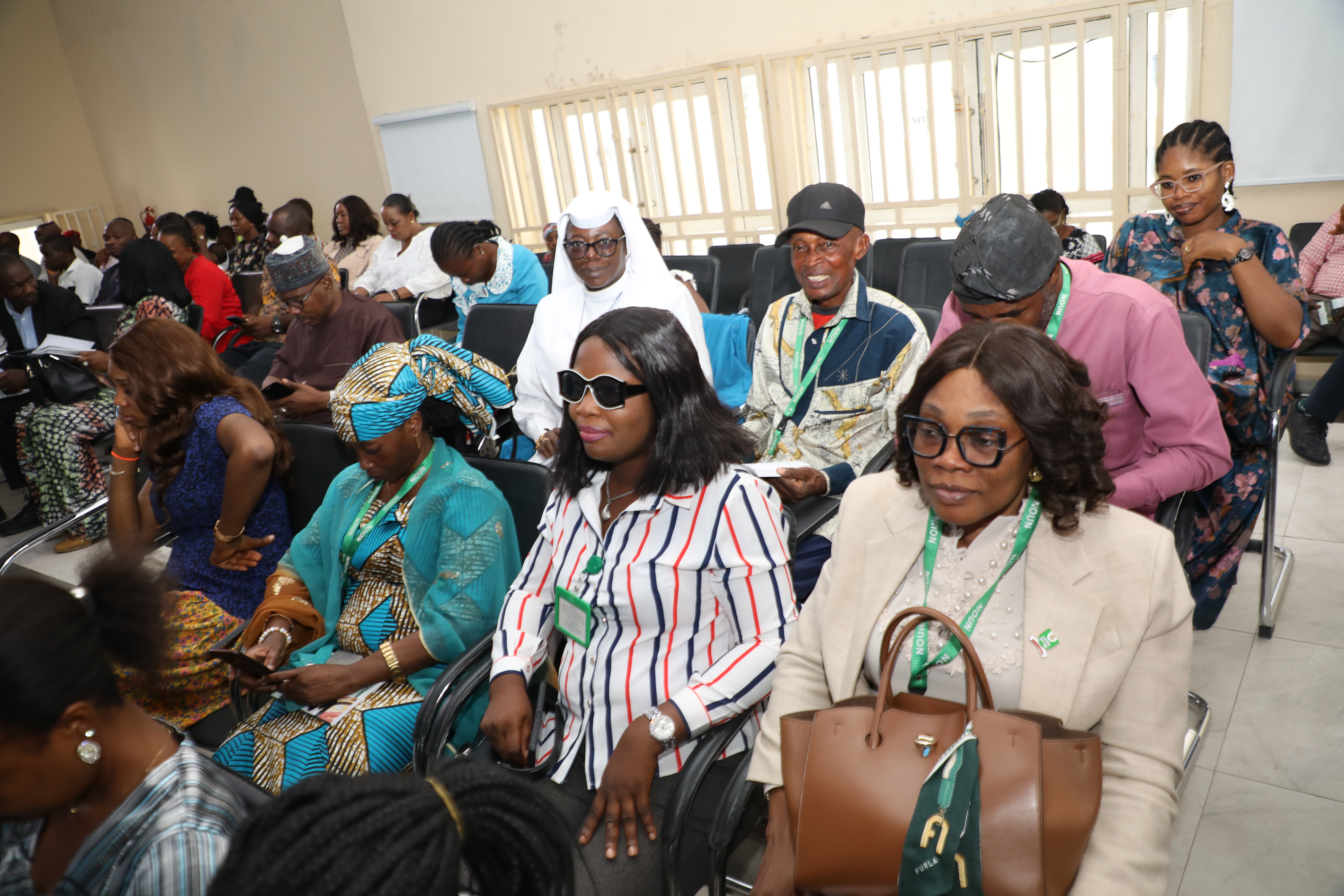
A Cross-Section of participant
He analysed the policies, structures, and governance mechanisms that have been adopted over the years to manage ethnic diversity and promote national unity.
From the Federal Character principle to quota systems and decentralisation efforts, he critically assessed their effectiveness and limitations.
Bagudu argued that a new framework of policy pillars must be adopted to move the country forward.
He proposed the pillars that included Inclusive and Adaptive Federalism, which is a call for genuine power devolution that respects ethnic identities while reinforcing national integration; Participatory Democracy, which strengthens civic engagement and citizen accountability in policy-making; and Merit-driven Public Service Reform which ensures that institutions are run by competent professionals, not political patronage.
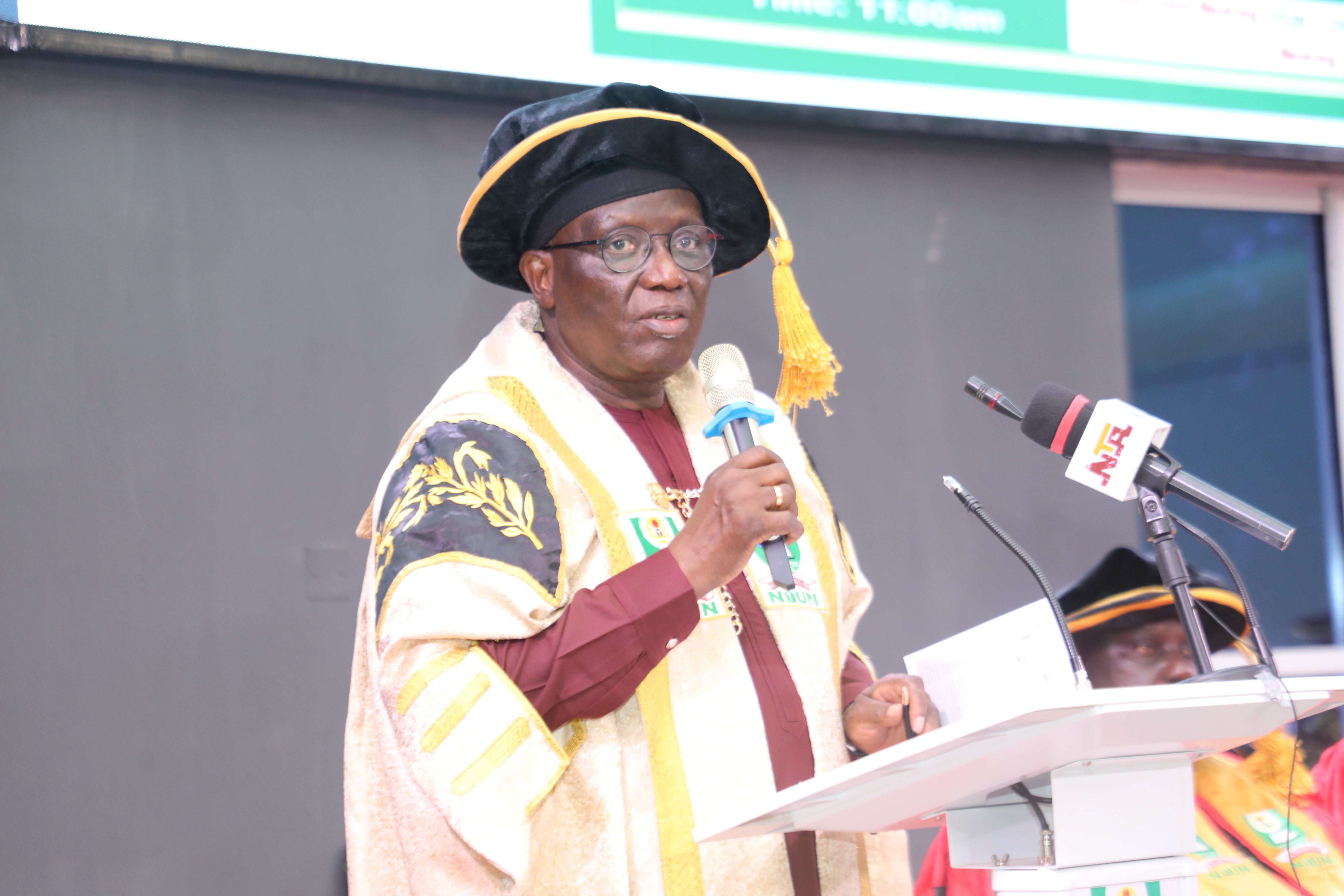
Professor Olufemi Peters
Others are Civic Education and National Orientation, which is a revival of value-based education to instill patriotism and shared purpose, and Strategic Human Capital Investment, which particularly emphasises on education, youth, and innovation.
The university don concluded with a strong message that state-building in Nigeria must be a shared responsibility driven by visionary leadership, inclusive policies, and a commitment to national ideals.
Earlier in his address, the Vice-Chancellor of NOUN, Professor Olufemi Peters, emphasised the significance of the inaugural lecture series in showcasing the depth of research and intellectual capacity within the university’s academic community.
He lauded Bagudu鈥檚 contributions to the field of public administration and governance, describing his work as timely and very relevant to Nigeria鈥檚 contemporary challenges.
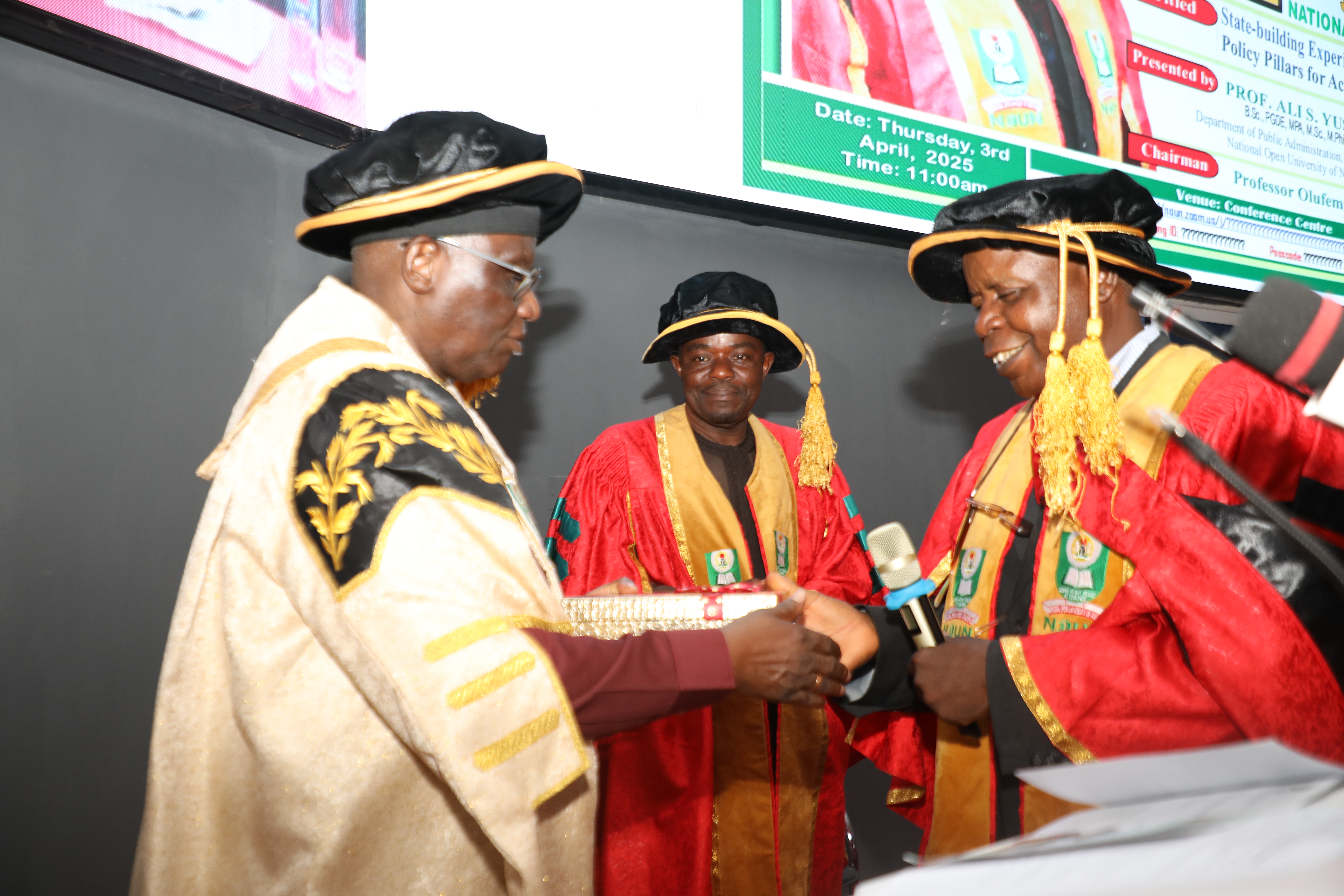
Official presentation of the 32nd Inaugural Booklet to the VC
This lecture is not only an academic tradition but also a platform for advancing public discourse on issues of national interest,鈥� Peters said.
He also highlighted the theme of the lecture as particularly timely and significant, given Nigeria鈥檚 current socio-political realities.
He noted that to the country continues to face mounting challenges in the areas of national cohesion, security, economic equity, and democratic consolidation.
He expressed concern that while Nigeria鈥檚 diversity should be a source of strength, it is too often manipulated as a tool for division.
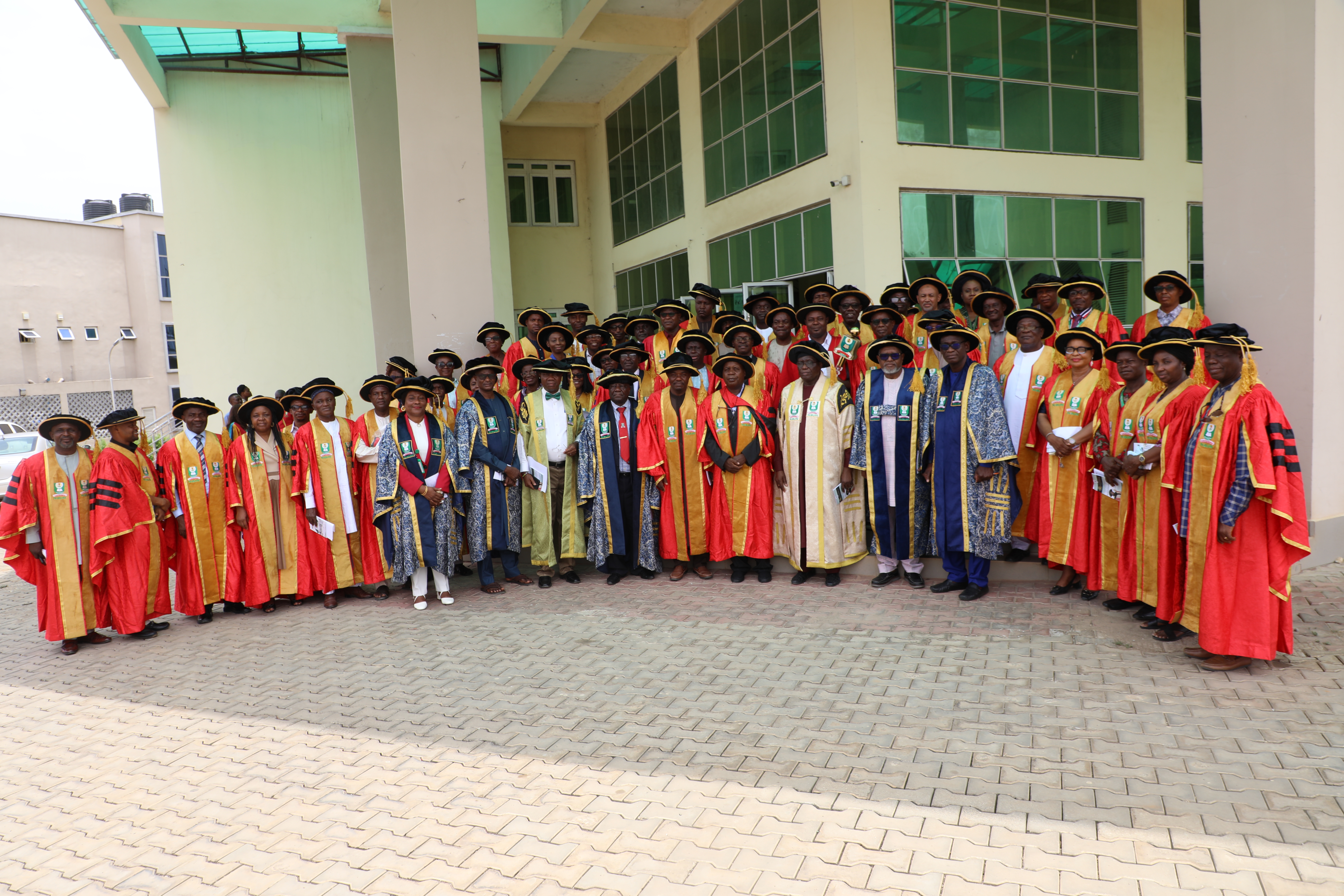
Group photograph at the end of the event
鈥淚n a country as richly diverse as Nigeria, the task of building a stable and united state is a complex one,” he said, adding, “It requires clear-headed policies, inclusive governance, and above all, a shared vision of nationhood.”
鈥淭hat is why the theme of this lecture鈥擲tate-building Experiments in Nigeria鈥檚 Multi-ethnic Society鈥攊s not only academically engaging but also nationally urgent.鈥�
The vice-chancellor noted that the lecture鈥檚 focus on the pre-set triple national goals鈥攗nity, security, and development鈥� aligns strongly with the mission of the university, which seeks to contribute to national development through knowledge dissemination and inclusive access to education.
He said: 鈥淎s a university committed to Open and Distance Learning, we must also be open to bold ideas that can reshape public policy and governance. Professor Bagudu鈥檚 work embodies that spirit.鈥�
He congratulated the lecturer on attaining this significant academic milestone and encouraged other scholars within the university to continue to engage in high impact research that addresses Nigeria鈥檚 pressing developmental challenges.
The Deputy Vice- Chancellor, Academic, Professor Chiedu Mafiana, who was聽 represented by the DVC Technology, Innovation and Research, Professor Godwin Akper in his the vote of thanks expressed appreciation to Bagudu for delivering what he described as an 鈥渋nsightful and challenging鈥� lecture and praised him for his dedication to advancing public discourse, noting that the lecture would serve as a key reference point for scholars and policy makers alike.