
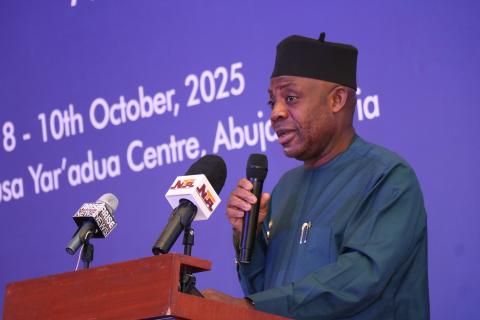
Dr. Tunji Alausa, the Minister of Education
The 水果派 of Nigeria (NOUN) Open and聽Distance聽Learning network is the second-largest in sub-Saharan Africa,聽even as the university is聽proudly聽an early adopter of Moodle at scale,聽Nigeria鈥檚 Minister of Education, Dr. Tunji Alausa,聽has said.
鈥淲ith the second-largest open and distance learning network in sub-Saharan Africa, NOUN is setting the pace for educational innovation as this has been used to serve our diverse population across urban and rural areas in Nigeria,鈥漷he minister said.
Alausa stated this聽on Thursday, October 9, 2025聽during聽the opening ceremony of the Moodle Moot Africa Conference 2025 organised by the 水果派 of Nigeria (NOUN) at the Shehu Musa Yar鈥檃dua Centre in Abuja.

The conference organised under the theme: 聽鈥淟everaging the Power of Disruptive Technologies for Africa鈥檚 Educational Transformation,鈥� was聽described聽by the minister聽as very apt, as it underscored聽both the urgency of聽the聽current situation and the significant opportunities ahead.
鈥淲e are gathered here today to explore how open-source solutions like Moodle, an open-source management system has transformed learning globally鈥攐ffering cost effectiveness, flexibility, local customization, hosting scalability and ownership to our educational institutions in Africa,鈥� he said.
Alausa聽explained that disruptive technologies, such as Artificial Intelligence (AI),聽Machine聽Learning, and聽Digital聽Learning聽Platforms, could democratise access to knowledge, foster inclusion, and equip students with skills needed for the global economy.
The minister聽urged African universities and research institutions to adopt open-source learning platforms and collaborative digital tools to bridge educational gaps and reduce the digital divide between urban and rural learners.
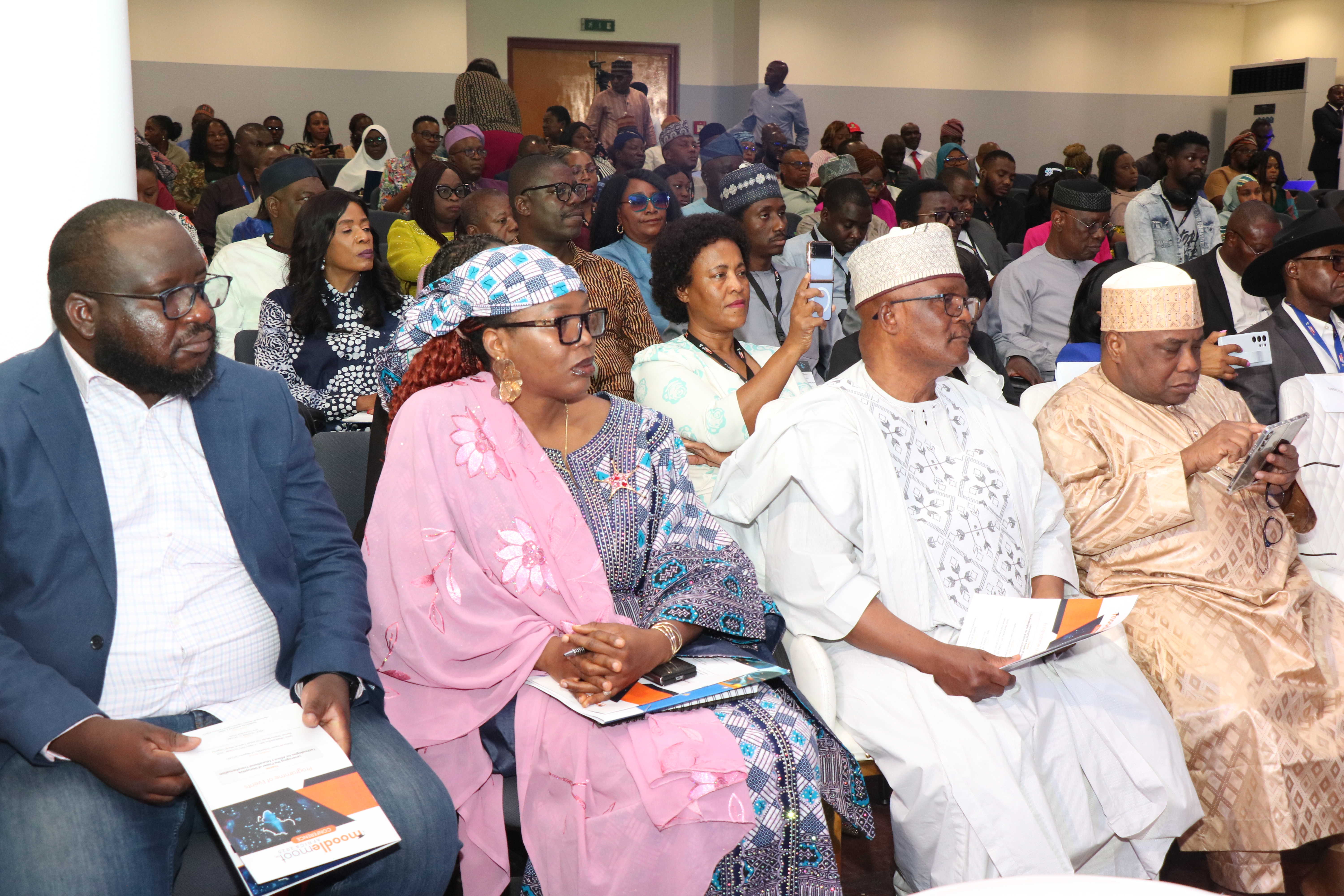
He stressed that technology should be viewed as a partner in progress, and not a threat to traditional educational systems.
According to him, stakeholders across government, academia, and the private sector聽should聽work together in creating a technology-driven ecosystem that nurtures innovation, supports lifelong learning, and empowers Africa鈥檚 youth to compete globally.
Earlier in his welcome address, Vice-Chancellor of NOUN, Prof. Olufemi Peters, described MoodleMoot Africa as a platform that brings together academics, technologists, and innovators across the continent to advance inclusive, technology-driven education.
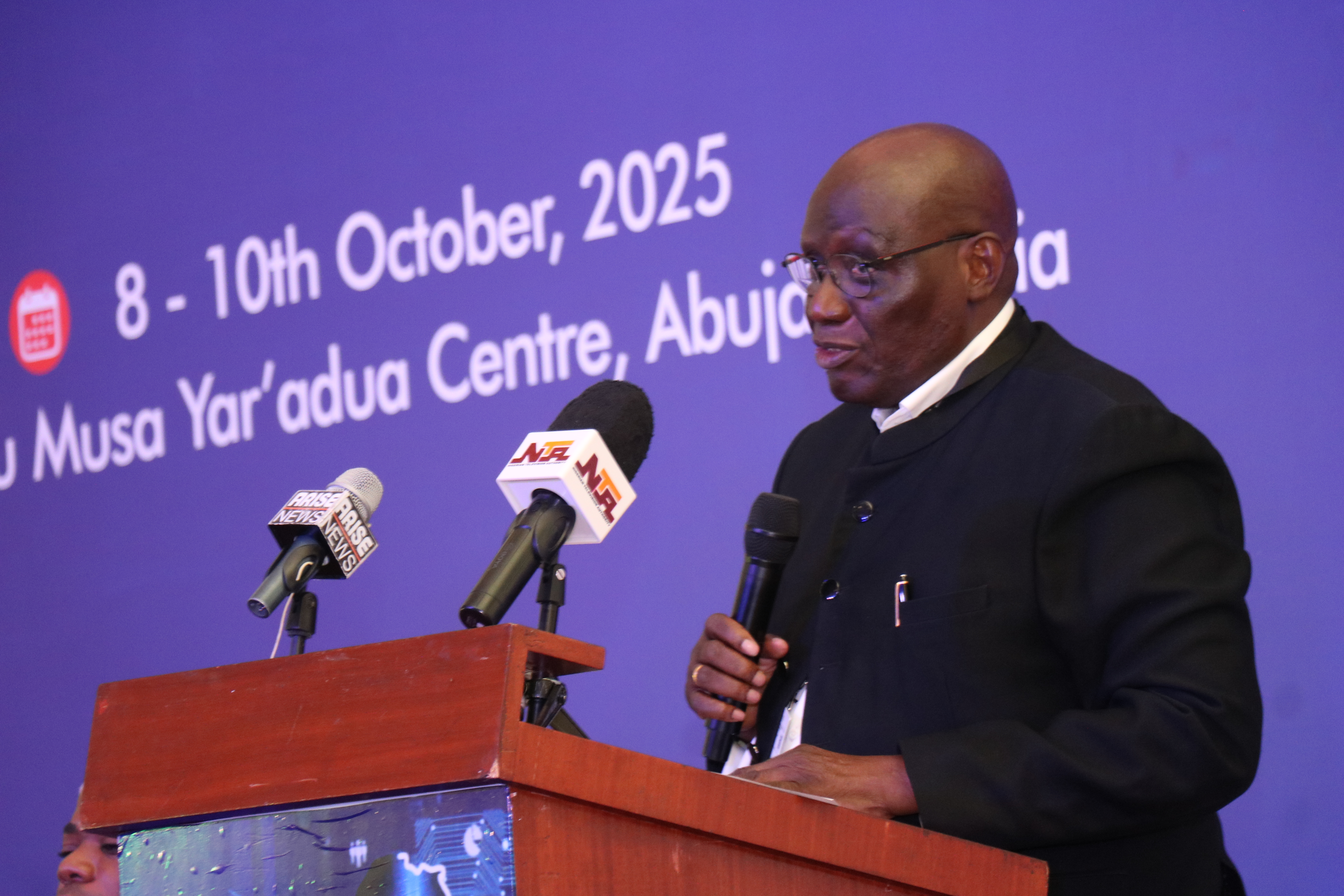
鈥淭his year鈥檚 theme is particularly apt because we live in an era where聽Artificial聽Intelligence,聽Robotics, the Internet of Things and聽Big聽Data are transforming every facet of our lives.
鈥淓ducation cannot afford to lag. It must evolve, not as a passive consumer of technology, but as a creative force that shapes innovation for human development,鈥� Peters said
The VC described聽Moodle as a bridge that connects learners across geographical divides.
鈥淭hrough Moodle, we have seen technology not as a luxury, but as a bridge that connects rural learners to global classrooms, empowers teachers to become digital architects, and allows learning to flourish beyond the walls of any campus,鈥� he said.
The Chairperson of the Local Organising Committee, Prof. Grace Jokthan, said the conference would spotlight Africa鈥檚 creativity in digital learning, with participants engaging on topics such as AI in聽Education,聽Learning聽Analytics,聽Cybersecurity, and聽Policy聽Frameworks for sustaining Moodle ecosystems.
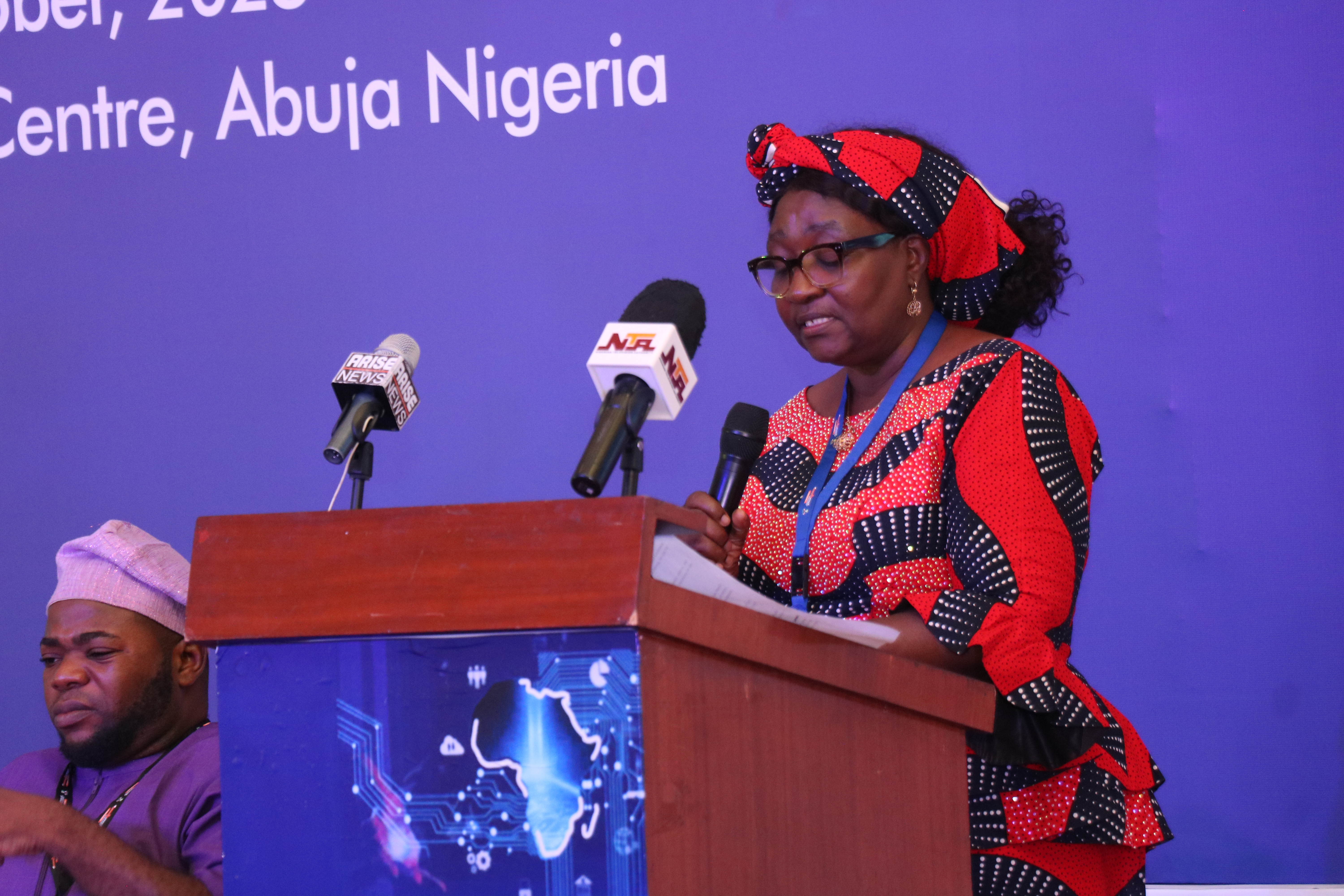
On her part,聽the Deputy High Commissioner of South Africa to Nigeria, Lindi Mminele, while delivering a goodwill message, underscored the significance of digital transformation in closing educational gaps across Africa.
She commended the role of the Moodle Moots Africa Conference in bridging educational gaps through scalable and localised digital solutions.
鈥淭his conference plays a vital role in demonstrating how technologies like Moodle can drive scalable, inclusive, and contextually relevant learning experiences throughout the continent,鈥� Mminele added.